🌱 How to Choose the Best New Year Resolution for Personal Growth
By The Wheel of Name Team ·
Updated May 2026 • Personal Growth Guide
Choosing the right New Year resolution can shape your entire year. Instead of random goals, focus on resolutions that support your personal growth, habits, and long-term success.
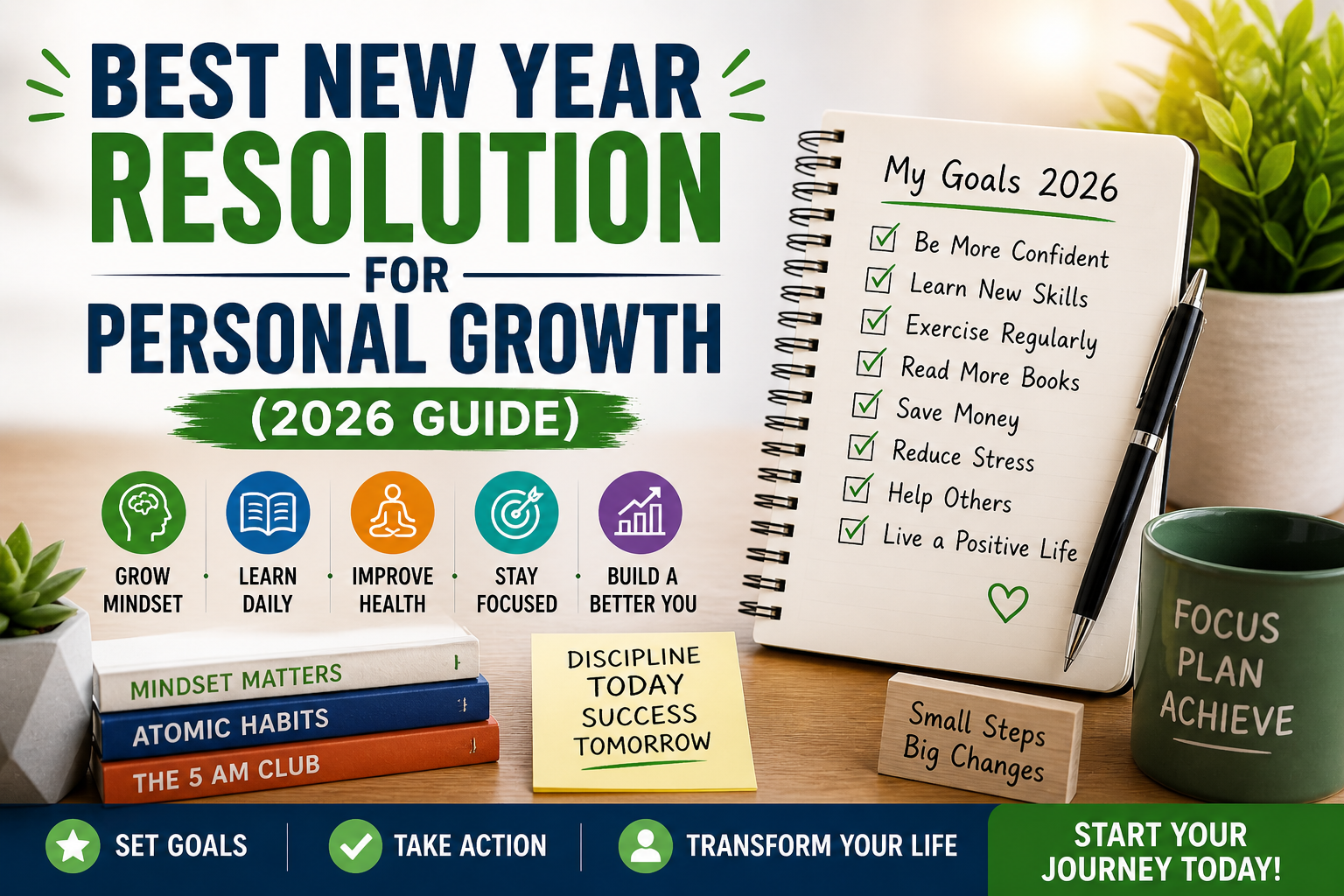
🧠 1. Reflect on the Past Year
- What were your biggest wins?
- What challenges did you face?
- What habits helped or harmed you?
🎯 2. Identify What Truly Matters
- ❤️ Relationships
- 💰 Financial stability
- 🧘 Mental health
- 🎓 Skills & learning
- 💪 Health & fitness
💡 3. Choose One Main Focus Area
Pick one powerful theme to avoid burnout.
📝 4. Write SMART Goals
- Specific
- Measurable
- Achievable
- Relevant
- Time-bound
🔄 5. Break It Into Small Steps
- "Run 3 times a week"
- "Read 10 pages daily"
🧭 6. Make It Personal
Choose goals that matter to your life, not trends.
🔥 7. Track Your Progress
Use apps, journals, or habit trackers.
✨ 8. Make It Exciting
Your goal should inspire action.
💬 9. Share Your Goal
Accountability improves success rate.
🔒 10. Start With 21 Days
Build momentum with short-term commitment.
The Resolution That Actually Fits Your Life Right Now
The biggest mistake people make when choosing a New Year's resolution is picking the resolution they think they should want rather than the one that fits who they actually are and what their life currently looks like. "Learn a language" sounds impressive and aspirational. But if you're in the middle of a demanding work period, raising young children, or managing ongoing health issues, committing to 30 minutes of daily language study is setting yourself up for failure in a way that compounds existing stress.
The most effective resolution is the one that's genuinely possible given your current season of life. Not your ideal life. Not the version where you have perfect energy and abundant free time. The life you're actually living, with its real constraints and competing demands.
How to Identify What You Actually Need
Personal growth resolutions tend to fall into three categories: closing a gap, building a skill, or changing a pattern. Closing a gap means working toward something you feel is missing — fitness, savings, connection. Building a skill means adding a genuine capability — a language, an instrument, a professional qualification. Changing a pattern means addressing something habitual that's working against you — a reactive relationship with your phone, a tendency to avoid difficult conversations, a pattern of overcommitting and burning out.
The most meaningful resolutions usually address something in the third category, because habits are what actually shape your day-to-day life. Skill-building and gap-closing are visible and satisfying to track, but they don't necessarily change the underlying patterns that produced the gaps and skill deficits in the first place.
Setting One Resolution Instead of Five
There's a temptation at the start of a new year to want to fix everything at once. This is understandable — a new year feels like a clean slate, and the list of things you want to change about yourself is always longer than you'd like to admit. But trying to run five resolutions in parallel usually means running all five poorly and abandoning most of them by March.
Behavioural research on habit formation consistently shows that single-habit focus produces better outcomes than multi-habit programs. Your attention and willpower are finite resources, and every additional resolution you add dilutes the resources available to each one. Choose one resolution that genuinely matters, build real momentum around it, and if you're still running strong in April, consider adding a second.
Making Your Resolution Measurable Without Becoming Obsessive
A resolution needs enough structure to track without becoming a number you optimize at the expense of the underlying goal. "Read more" is too vague. "Read one book per month" is measurable and achievable. "Read at least 18 minutes every night before bed" is the habit-level version that actually produces the monthly book.
The risk of measurement is that people start optimizing for the metric rather than the goal. Reading 12 books of 150 pages each doesn't serve you as well as reading 8 books that genuinely challenge and interest you. Define your resolution with enough specificity to know whether you're doing it, but keep the underlying purpose in view so you don't lose the point.
What Happens When You Miss Days
Missing a day, a week, or even a month doesn't end a resolution. What ends a resolution is deciding that because you missed, the whole thing is ruined. This all-or-nothing thinking is the single most common reason resolutions fail completely rather than just being interrupted. Research on habit formation suggests that a single missed instance has no measurable effect on long-term habit strength — it's the consecutive misses that matter.
Build a deliberate recovery protocol into your resolution from the start. "If I miss more than three days, I restart with the minimum viable version for one week before returning to the full version." Knowing what you'll do when things go wrong removes the paralysis that comes from missing and not knowing how to get back on track.
⬅ Back to Blogs 🎯 Generate Your Fitness ResolutionShare this wheel:
I just used this fun wheel on thewheelofname.com 🎡 Try it!.